Your Essential Emergency Kit – Fast, Simple & Reliable
Assembling Your Own Emergency Kit: These Items Are Essential

When you start 'prepping' (preparing), the most important rule of thumb is: make sure you are self-sufficient for at least 72 hours (3 days). There is a difference between an emergency kit for your utility room and a mobile bug-out bag (a 72-hour bag that you can grab immediately). In this guide, we will show you which essential items are absolutely indispensable in both kits.
Clean drinking water - Filtering and storage
Water is the highest priority in emergency situations. The general guideline is to allow for about 2 to 3 liters of water per person, per day (for drinking and basic hygiene). Because water is heavy to carry, water filters are indispensable in your survival kit. With LifeStraw water filters, you can drink water safely almost anywhere, even from natural sources such as streams or lakes. With many filters from Lifesaver, you are even protected against viruses such as E. coli. Combine this filter with a water reservoir, such as a rain barrel for home use or a Hydrapak drinking bladder, which allows you to store large quantities of water compactly. This way, you will always have access to safe drinking water.


Long-Lasting Emergency Rations and Outdoor Meals
Food that has a long shelf life, provides plenty of energy, and requires little preparation is essential for your emergency kit. Make sure you have at least three days' worth of nutritious food in your bag or cupboard. Adventure Food meals are perfect for this: they are lightweight, nutritious, and can literally be stored for years. Simply add hot water and you instantly have a wholesome, warm meal. Ideal for both outdoor adventures and emergencies at home. The freeze-dried meals from Trek N Eat are also a tasty addition in case of emergency.
Efficient Cooking and Power Generation in Emergencies
Warm food and drink significantly boost your energy, resilience, and morale. But how do you cook when the gas or electricity goes out?
- Speed and efficiency: The burners of the Jetboil are a real lifesaver. They are compact, incredibly fast, and highly fuel-efficient. Make sure you always have a few compatible gas canisters in stock.
- Cooking and generating power: Want to cook without relying on gas and charge your phone at the same time? Then the BioLite CampStove is essential. This clever wood-burning stove burns on small twigs and pinecones. While you cook, the system converts the heat into electricity. Perfect for charging your power bank or headlamp when there is no power outlet nearby!

Jetboil
With a Jetboil stove, you can boil water in 100 seconds.
And with the pot support accessory, you can convert the Jetboil into a full-fledged stove for use with any pan. This makes it ideal for cooking in emergency situations using universal gas canisters in the event of a power outage.
Reliable Flashlights and Lighting in the Dark
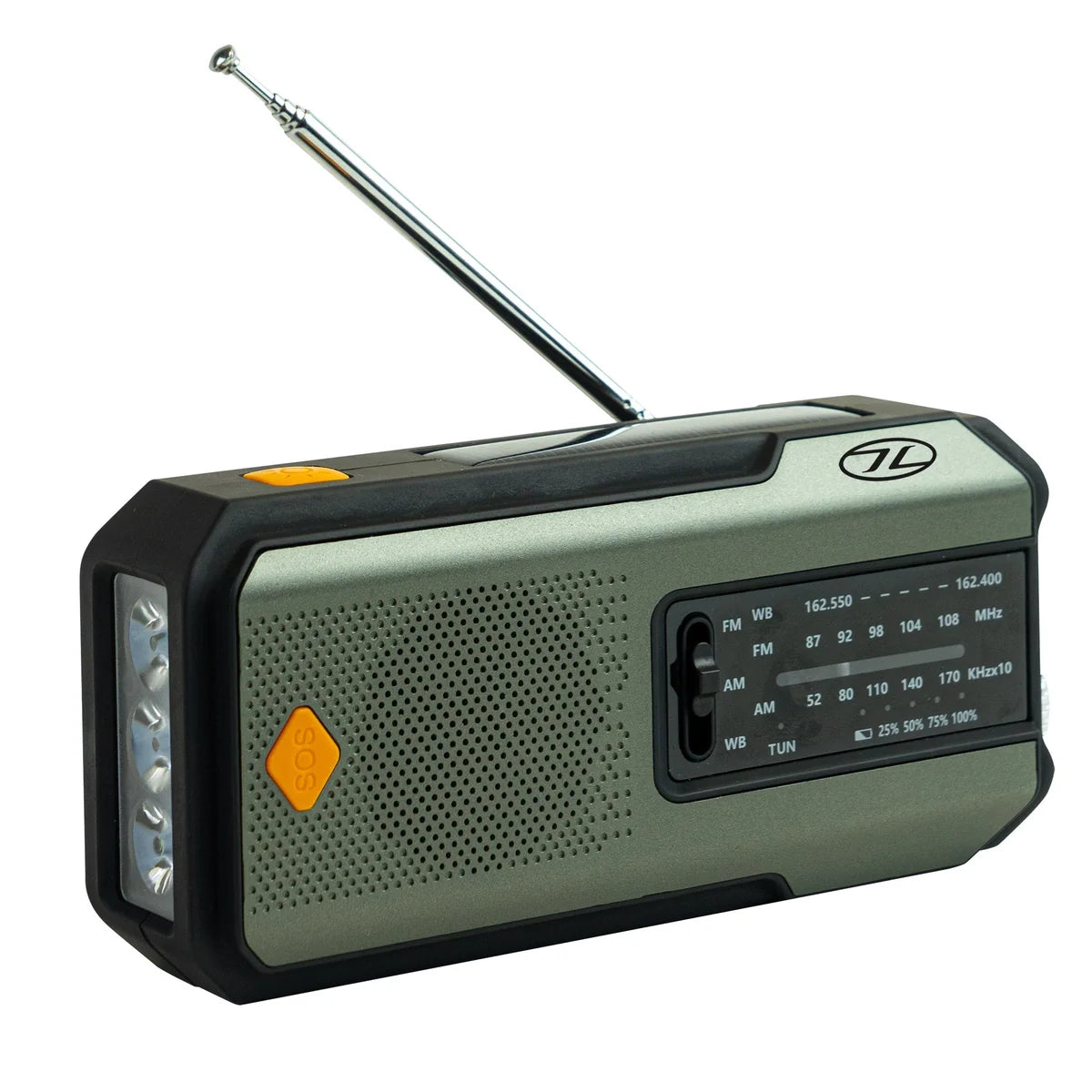
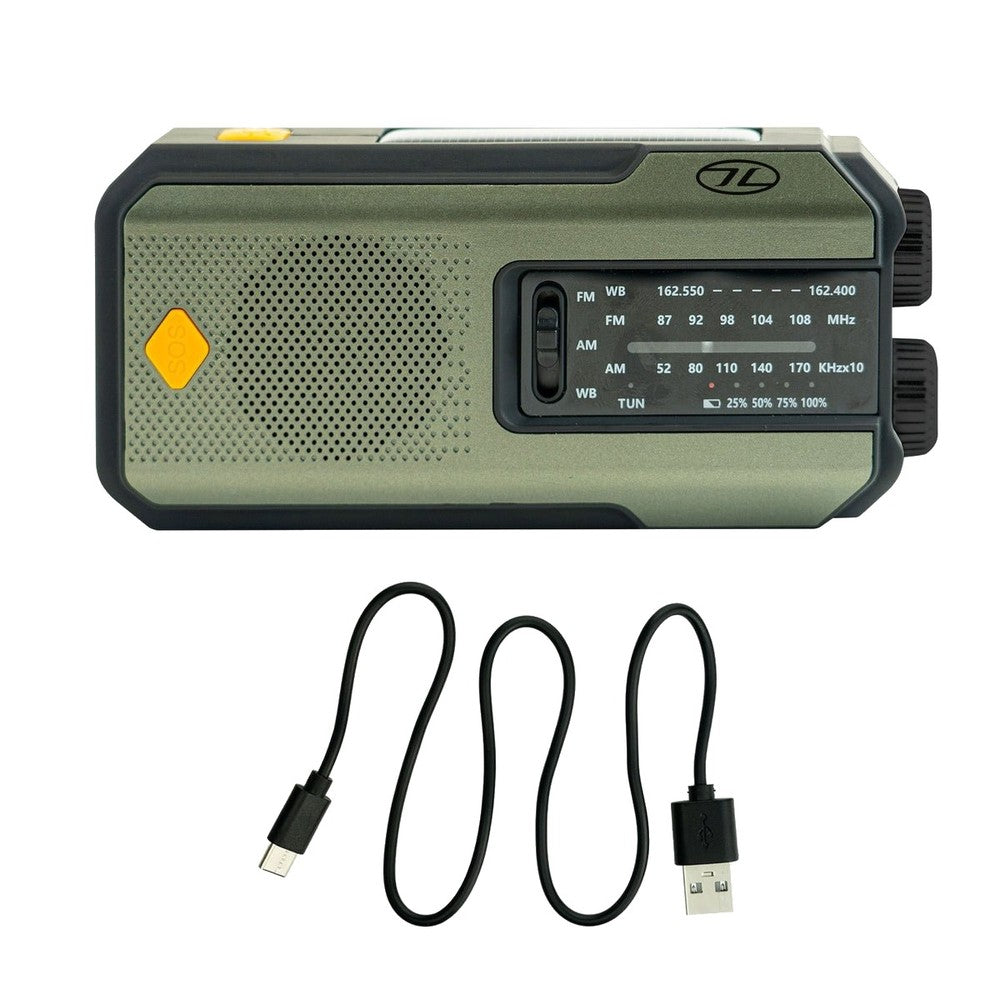
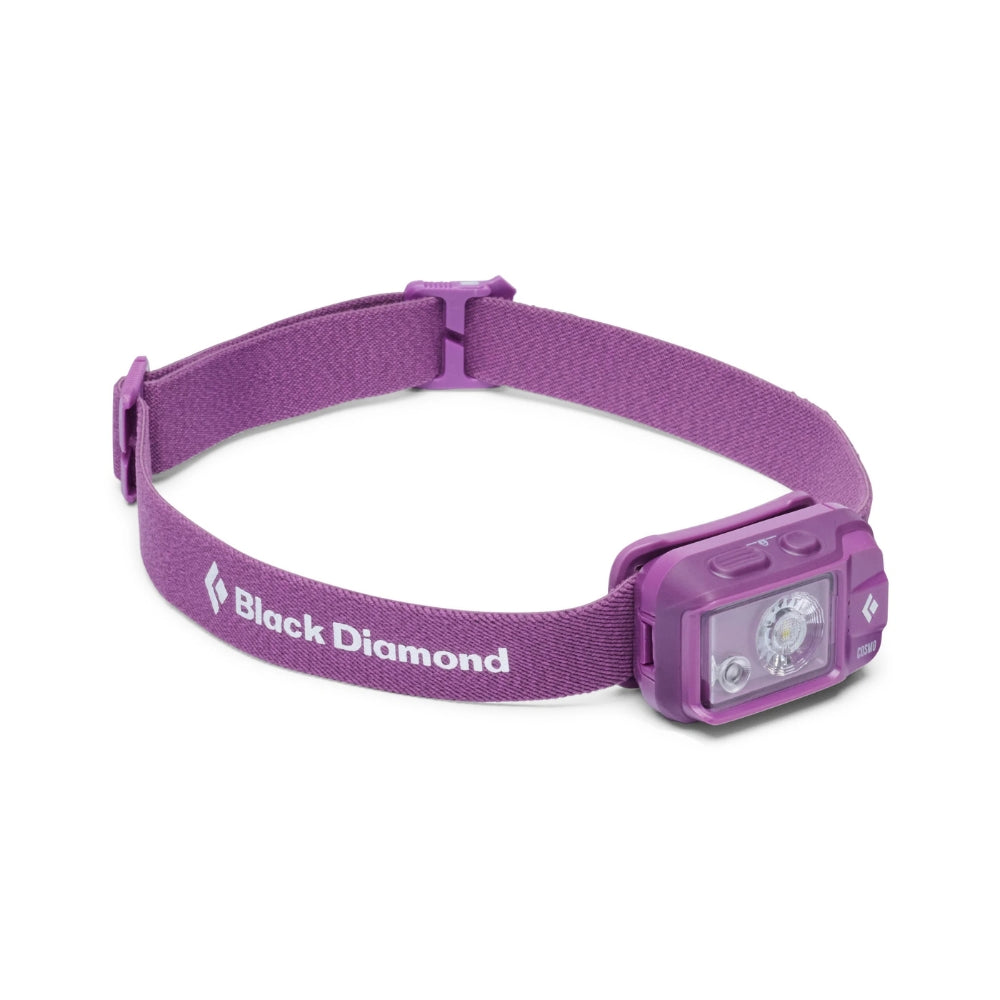
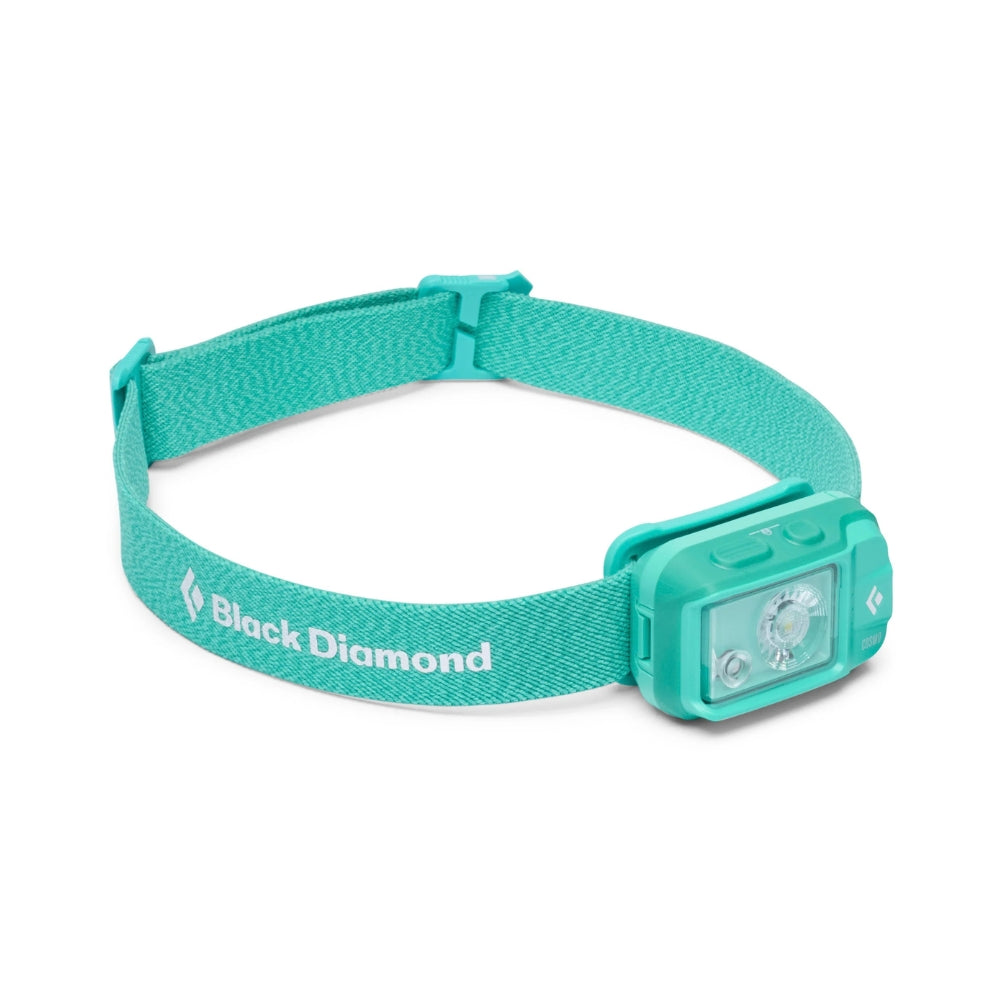
In the event of a power outage or if you need to navigate in the dark, you need bright and reliable light. Do not rely solely on your phone's flashlight; it will drain your battery extremely quickly. Nebo and Olight flashlights and headlamps are among the very best in their class. Thanks to their powerful beams, long battery life, and robust construction, you will never literally be left in the dark with these lights. Many models are USB-C rechargeable or have a long battery life. Make sure they are always charged and ready to use, and that you also have a power bank or solar panel to keep yourself supplied with power.
Generating Power in Emergencies: Solar Panels and Power Banks
In our modern world, electricity is crucial. During a power outage or an off-grid adventure, your smartphone is often your most important lifeline for weather updates, navigation, and contacting emergency services – provided the battery isn't dead.
A powerful, rugged powerbank forms the foundation of your power supply and is essential for getting through the first few days. Do you want to be truly independent and self-sufficient for longer? Then add a foldable, portable solar panel (solar charger) to your gear. This allows you to capture solar energy during the day to charge your powerbank, flashlights, or GPS system indefinitely. Preferably choose equipment that is shock-resistant and (splash)waterproof, so your electronics won't let you down when the weather turns.
Making Fire for Warmth and Safety
Making fire is an absolute basic skill. It means warmth, light, safety (it keeps wild animals at bay) and the ability to boil water. With the stormproof matches and fire starters from UCO, you have a reliable method for making fire, even in strong winds or rain. Combine this with the handy fire starters and tinder from Light My Fire, and you'll be able to start a fire in no time, in all weather conditions.
First Aid, Shelter and Essential Tools
In addition to food, water, and warmth, there are three more categories that complete your emergency kit:
- Shelter & Insulation: Always include an emergency blanket (space blanket) or a compact emergency bivy. These reflect your body heat and can prevent hypothermia.
- First Aid Kit: A compact kit containing at least plasters, antiseptic, sterile gauze, tick tweezers, and paracetamol should never be missing.
- Tools: A good, sharp pocket knife or a comprehensive multi-tool is essential for repairs, food preparation, and outdoor survival.
✅ Checklist: Your complete 72-hour emergency kit
Use this list to check if your equipment is complete for the first 3 days: