Pack your backpack like a pro: here’s how
View our backpacksSmart

Why smart packing changes everything
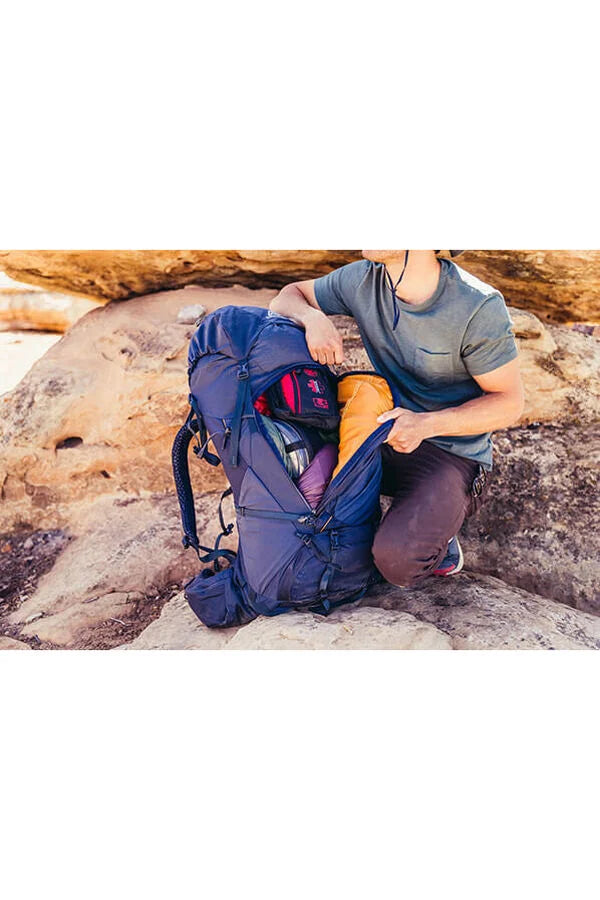
A well-packed backpack makes your trip much more enjoyable. You’ll walk more steadily, your belongings will stay intact, and you won’t have to dig everything out at every break. The basic rule: pack heavy items close to your back, keep frequently used items on top or in easily accessible pockets, and separate anything that might get wet (or needs to stay dry).

Light

At the bottom: the light base
Start with your large “light” items at the bottom. Think of your sleeping bag, sleeping clothes, and possibly your sleeping mat. This creates a soft base and helps your backpack retain its shape. It’s best to put them in a waterproof bag or a sturdy liner, so an unexpected downpour or a wet surface doesn’t ruin your entire setup.

Center of gravity

Center: the center of gravity against your back
Next comes the center of gravity: place everything heavy (food, water, cooking gear, power bank) in the middle, as close to your back as possible. This is the pro tip that makes the difference: your backpack will feel lighter because the weight isn’t “pulling you backward”. Do you have a water bladder? Place that against your back too. Use your cooking gear like “puzzle pieces”: pack small items (lighter, spices, tea bags) into your pot or cooking set so that no empty space is left.

Fast

Top: quickly find your essentials
At the top, keep things you’ll often need on the go: a raincoat, fleece, snacks, first-aid kit, headlamp, and navigation (map/compass or power bank + cable). Even smarter: create a “snack pocket” used exclusively for quick energy. This way, you won’t have to open your entire bag every time you need a quick boost.

Handy

Outside: handy, but keep it tight
Use the outer pockets and straps wisely, but don’t overdo it. A wet raincoat can go in a mesh outer pocket so it can dry. A water bottle belongs in a side pocket where you can grab it while walking. Avoid heavy items on the outside (such as pots or bottles dangling from carabiners), as they will swing and make you unstable, especially on narrow paths or when scrambling.

Overview

Professional finish: overview and a quick check
Finally: prevent chaos with organization. Use 2–4 small bags (e.g., “cooking”, “clothing”, “electronics”, “hygiene”) and keep the order the same on every trip. Do a quick “shake test” at home: zip up, lift the backpack and move it around a few times—if you hear rattling, something is loose and will annoy you later. With this approach, you’ll pack faster, walk more comfortably, and always have the right items right at hand while on the go.

Experience

Finally – small packages, big experiences
Optimizing your backpack isn’t a one-time project, but a process. With every trip, you learn what works better, what can be lighter, and what you truly value on the trail. Whether you’re hiking through the Alps with a 12-kilogram backpack or exploring the Veluwe with an ultralight setup, the art of lightweight camping enriches every adventure.

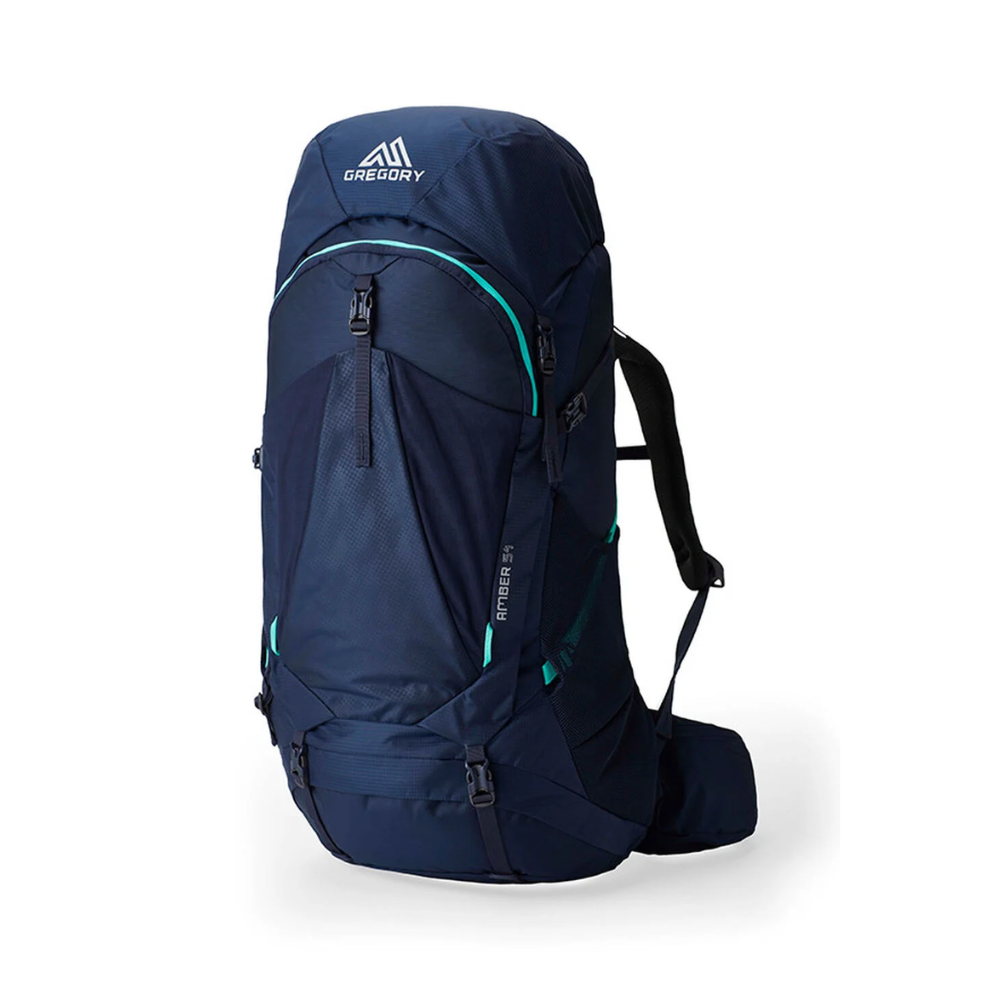
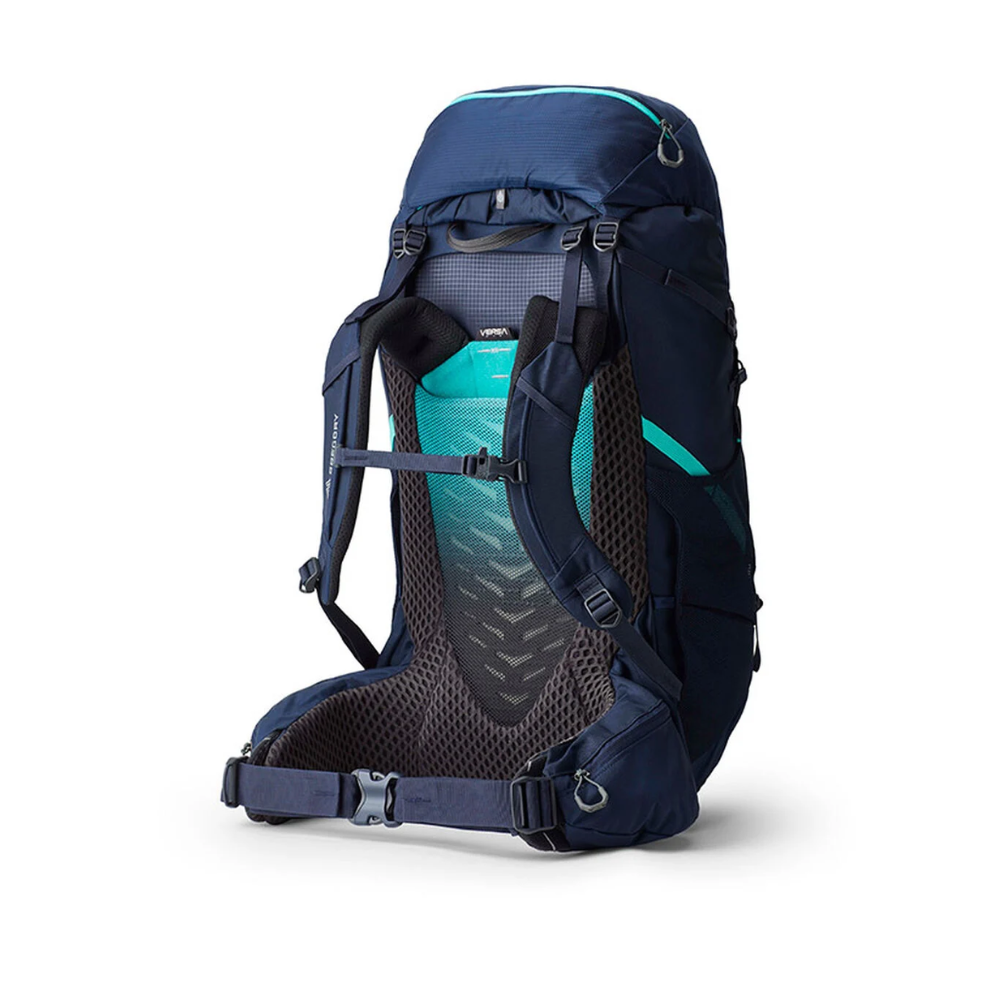
Gregory • Amber 54L Arctic • Women's Trekking Backpack
Sale price
€209,99
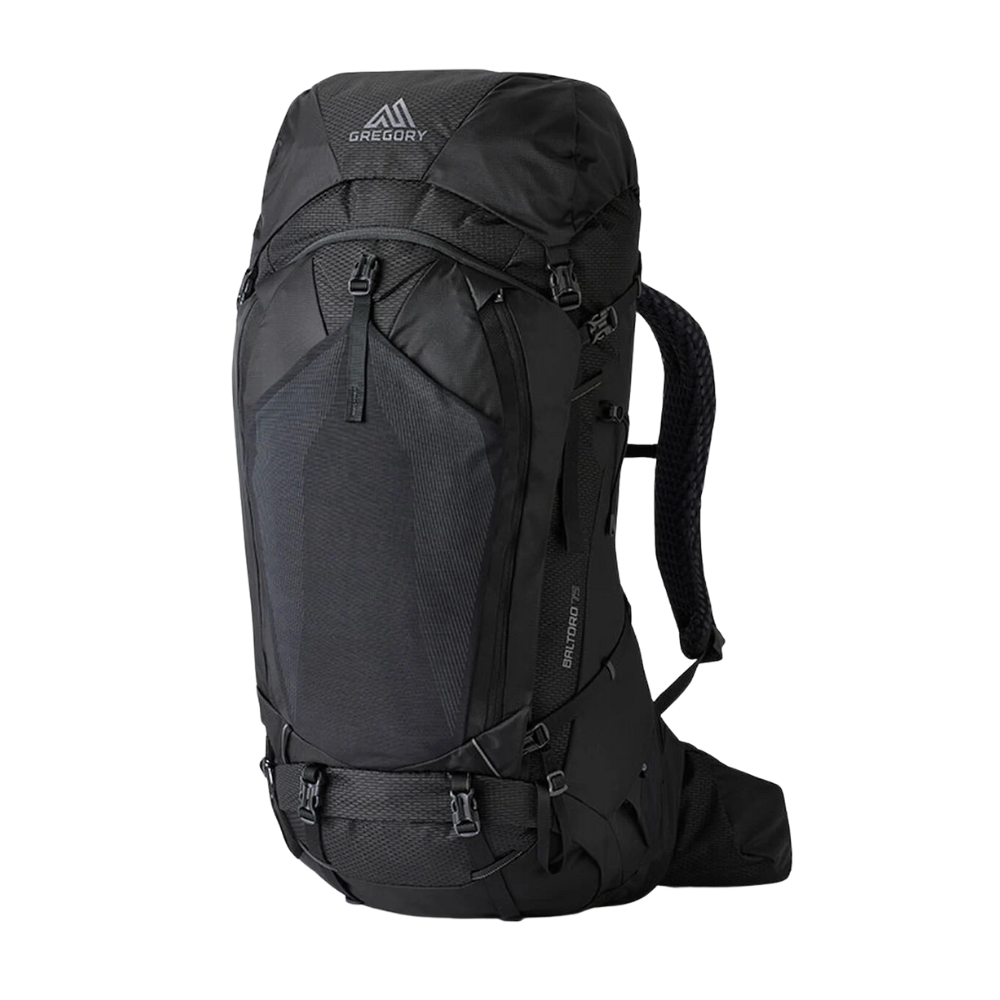
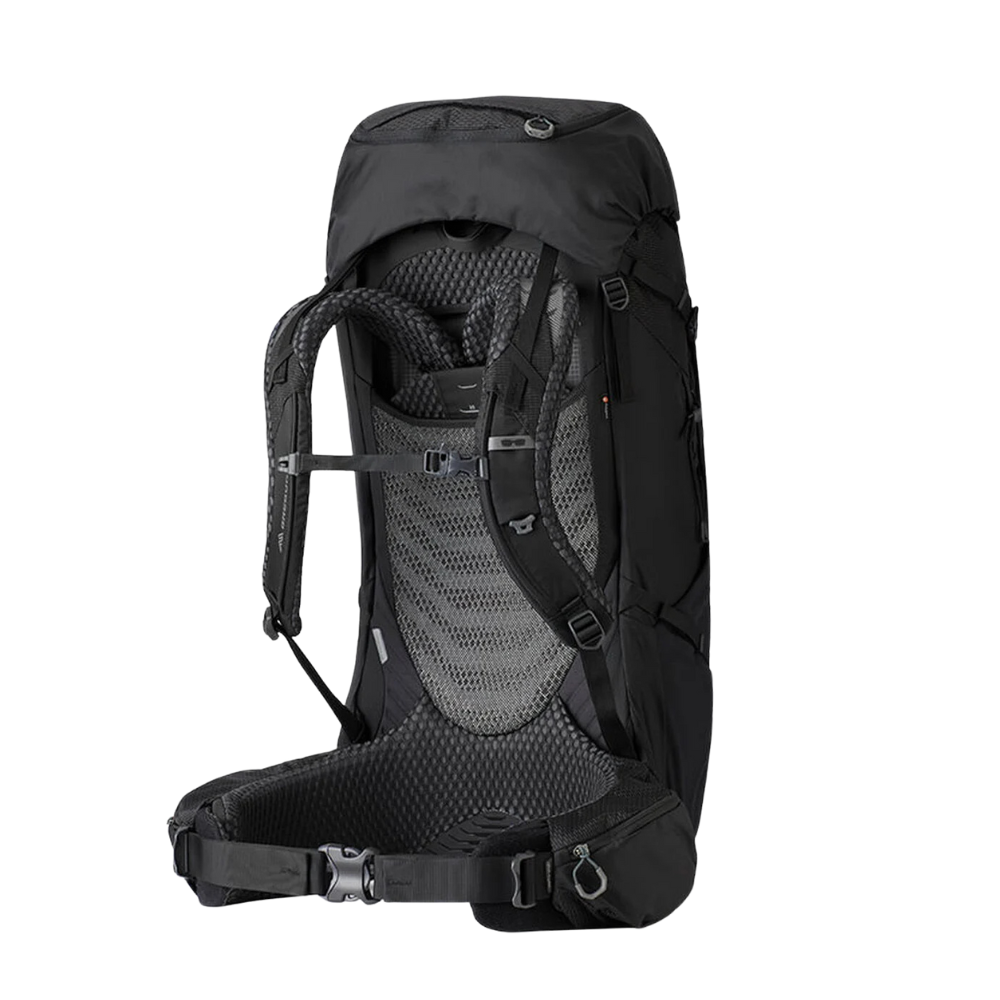
Gregory • Baltoro 75 RC Medium • Comfortable Trekking Backpack • Men's
Sale price
€349,99
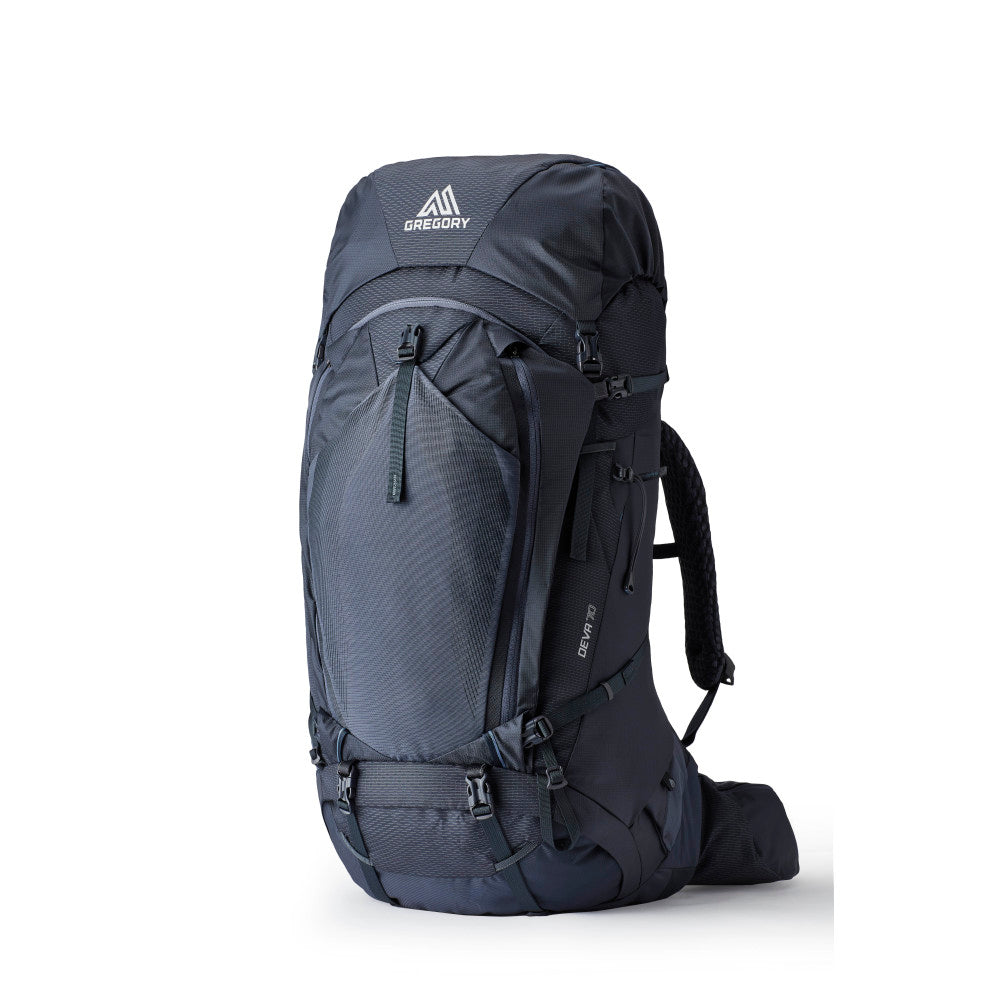
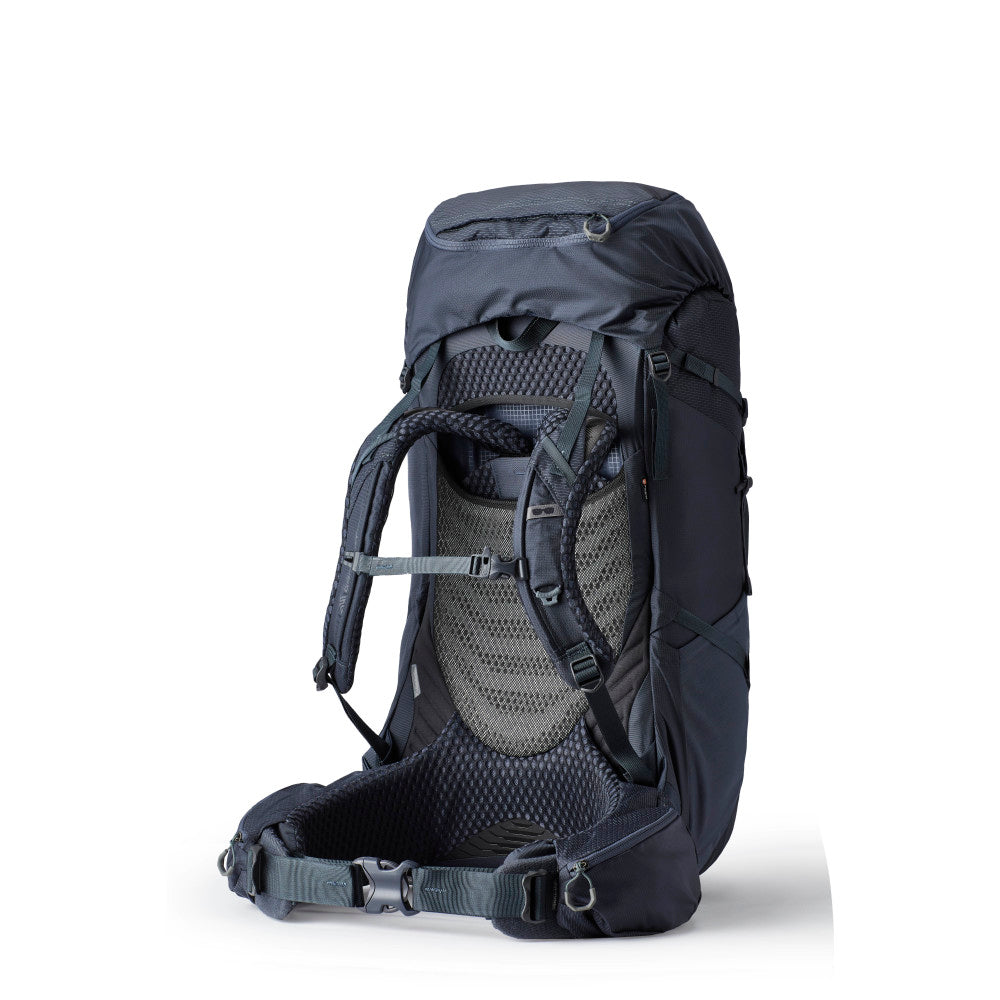
Gregory • Deva 70 RC • Comfortable Women's Trekking Backpack
Sale price
€349,99
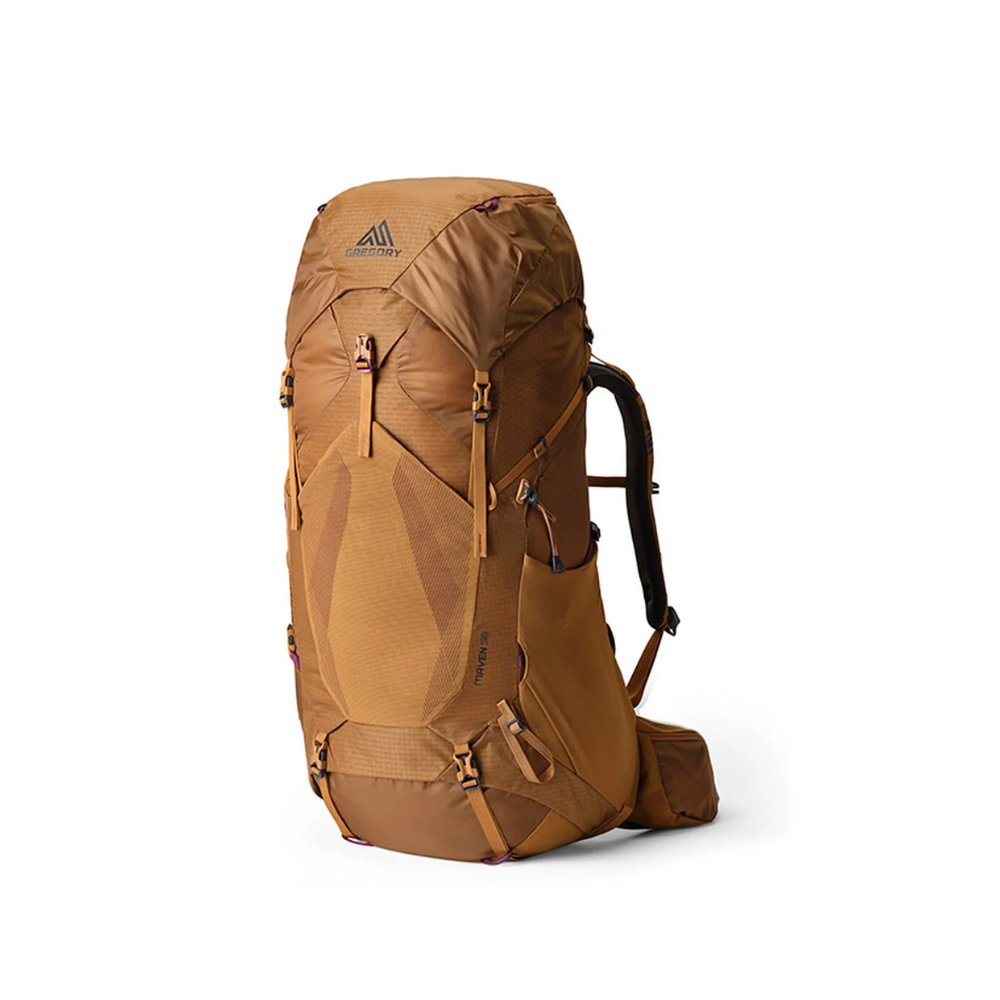
Gregory • Maven 58 RC • Comfortable Trekking Backpack • Women's
Sale price
€259,99